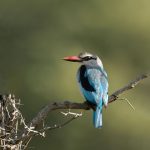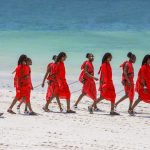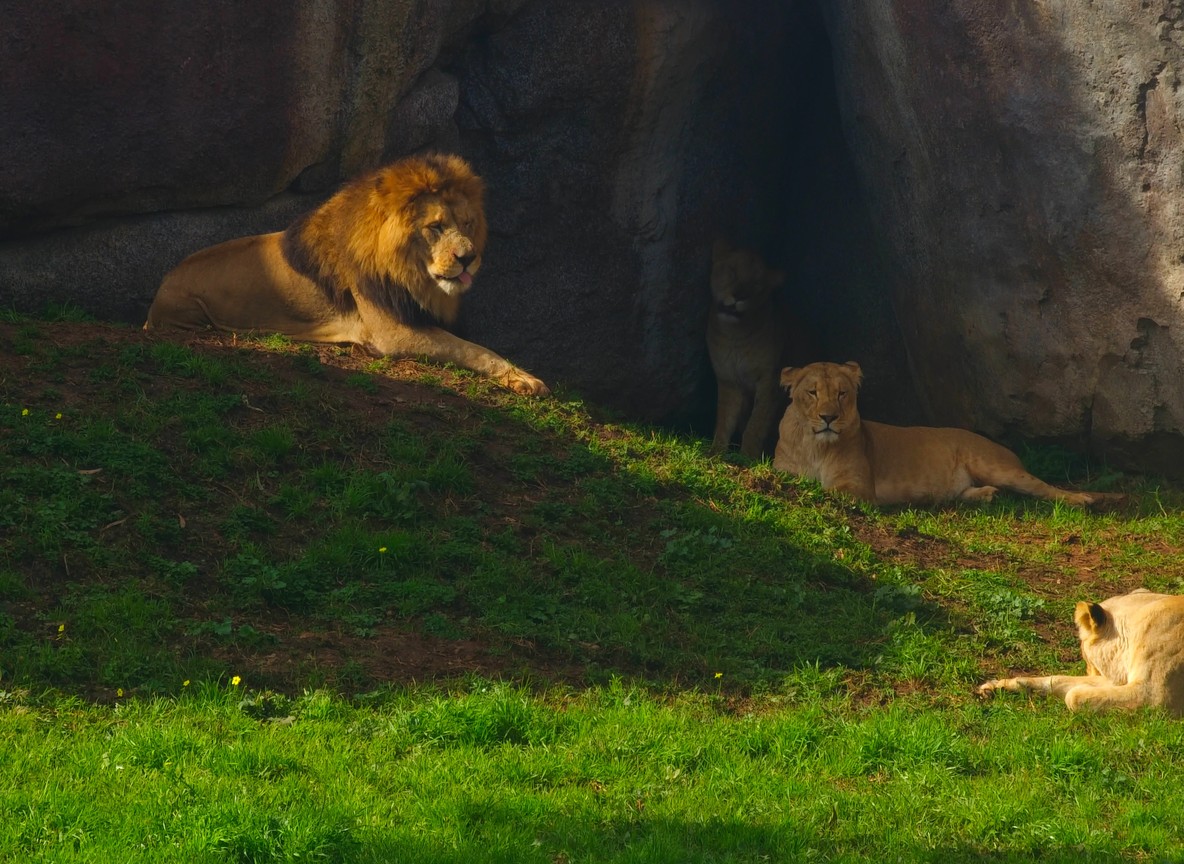
A vehicle at Naboisho Camp can cover 40 km before breakfast. A walking group covers maybe 3 km in the same window, and that is the point. Naboisho Conservancy, roughly 200 km2 of private land bordering the Masai Mara National Reserve, is one of the few places in the ecosystem where guests can step out of the vehicle with an armed Maasai guide and read the bush at ground level. Touring Insights lays out what actually happens on a Naboisho walking safari, how far you go, what it costs, and how it differs from the game drives most first-time visitors expect.
What a Naboisho Walking Safari Actually Involves
A typical walk starts before breakfast, while the ground is still cool and animal tracks from the night are fresh. A guide and a Maasai warrior, often called a moran, lead a small group of two to six guests on a route planned around wind direction and recent wildlife movement. The pace is slow, usually under 3 km per hour, with frequent stops. Guides point out dung, footprints, chewed grass stems, and bird calls that a moving vehicle would drive straight past.
Most walks at Naboisho Camp run 1.5 to 3 hours and cover 2 to 5 km. Some camps in the conservancy offer longer 4-hour walks that end at a bush breakfast table set up ahead of time by camp staff. The Maasai guide typically carries a spear and explains its traditional use for close-range predator encounters, though sightings are managed to keep real distance from dangerous game at all times.
Naboisho Walking Safari vs Game Drive at a Glance
The table below compares the two experiences guests choose between at Naboisho Camp. Neither replaces the other; most itineraries mix both over a multi-night stay.
| Aspect | Walking Safari | Game Drive |
|---|---|---|
| Pace | Under 3 km/h on foot | Up to 40 km/h by vehicle |
| Ground covered per outing | approx. 2-5 km | approx. 20-60 km |
| Typical duration | 1.5-3 hours | 2-4 hours |
| Wildlife focus | Tracks, dung, birds, insects, plants, small mammals | Lions, elephants, and other large mammals |
| Predator viewing distance | Kept wide, safety-managed | Often within 10-20 meters |
| Group size | 2-6 guests, one armed guide | Up to 6-7 guests per vehicle |
| Physical demand | Moderate, uneven ground | Minimal, seated |
| Best start time | 6:00-7:00 am | 6:00 am and 4:00 pm |
Who Leads the Walk: Naboisho Camp’s Maasai Guides
Naboisho Camp is run by Basecamp Explorer, a founding partner in Naboisho Conservancy since it formed in 2010. The camp employs Maasai guides drawn from the same landowning families who lease their grazing land into the conservancy. That local knowledge shapes the walk more than any fixed route. A guide raised herding cattle across this exact ground reads a broken twig or a scuff mark the way a city dweller reads a street sign.
Guides train specifically for walking safaris, separate from vehicle-based guiding certification. They carry a radio at all times and stay in contact with a support vehicle that can reach the group within minutes if needed. Naboisho’s low bed density, a result of the conservancy’s founding land-use agreement, keeps walking routes free of the vehicle traffic that busier parts of the Mara ecosystem see during peak season.
Getting to Naboisho Camp: Distances and Access
Reaching Naboisho Camp takes planning, since it sits deep inside a conservancy rather than beside a public gate. Most guests fly in rather than drive the full distance from Nairobi.
| Route | Distance / Time | Notes |
|---|---|---|
| Nairobi (Wilson Airport) to Mara airstrips | approx. 45 min flight | Scheduled flights land at Musiara or Ol Kiombo |
| Musiara Airstrip to Naboisho Camp | approx. 30-40 min drive | Nearest airstrip for northern Mara camps |
| Ol Kiombo Airstrip to Naboisho Camp | approx. 35-45 min drive | Alternative routing depending on flight schedule |
| Nairobi to Naboisho Camp by road | approx. 270 km, 5-6 hours | Via Narok town, mostly on the Mara access road |
| Naboisho Conservancy size | approx. 200 km2 (50,000 acres) | Borders Masai Mara National Reserve and Mara North Conservancy |
| Conservancy conservation fee | approx. USD 100-130/night, indicative | Bundled into Naboisho Camp’s nightly rate |
What You’ll See (and Won’t) on Foot
A walking safari trades size for detail. You are unlikely to walk right up to a pride of lions, and guides deliberately keep wide distance from buffalo, elephant, and any predator on a fresh kill. What you do get is close-range access to dung beetles rolling a ball twice their size, the specific call of a lilac-breasted roller, and dwarf mongoose family groups that a vehicle’s engine noise usually scatters before you notice them.
Guides also cover plant use, pointing out which acacia species the Maasai use for toothbrushes or fever remedies. Termite mounds, often ignored from a vehicle, become a stop to discuss soil chemistry and the mound’s role as a lookout post for hunting cheetah. It is a different kind of safari sighting, built on patience rather than horsepower.
Safety Rules and What to Expect Physically
Every walking safari at Naboisho Camp starts with a safety briefing covering group spacing, what to do if a guide raises a closed fist, and how to move if dangerous game appears at distance. Guests walk in single file behind the lead guide, with the armed Maasai warrior positioned to react first if needed. Groups avoid thick riverine bush where visibility drops, sticking instead to open grassland and low scrub.
Physically, the walk suits most fitness levels. The terrain is uneven in places, with termite mounds, animal burrows, and seasonal mud after rain. Closed walking shoes matter more than technical hiking boots. Guests with mobility limitations should flag this when booking, since guides adjust pace but cannot fully flatten the ground.
Best Time of Year and Day for a Naboisho Bush Walk
Early morning walks, starting around 6:00 to 7:00 am, catch cooler temperatures and the freshest tracks from overnight animal movement. Afternoon walks run less often because of heat and reduced animal activity between roughly 11:00 am and 3:00 pm.
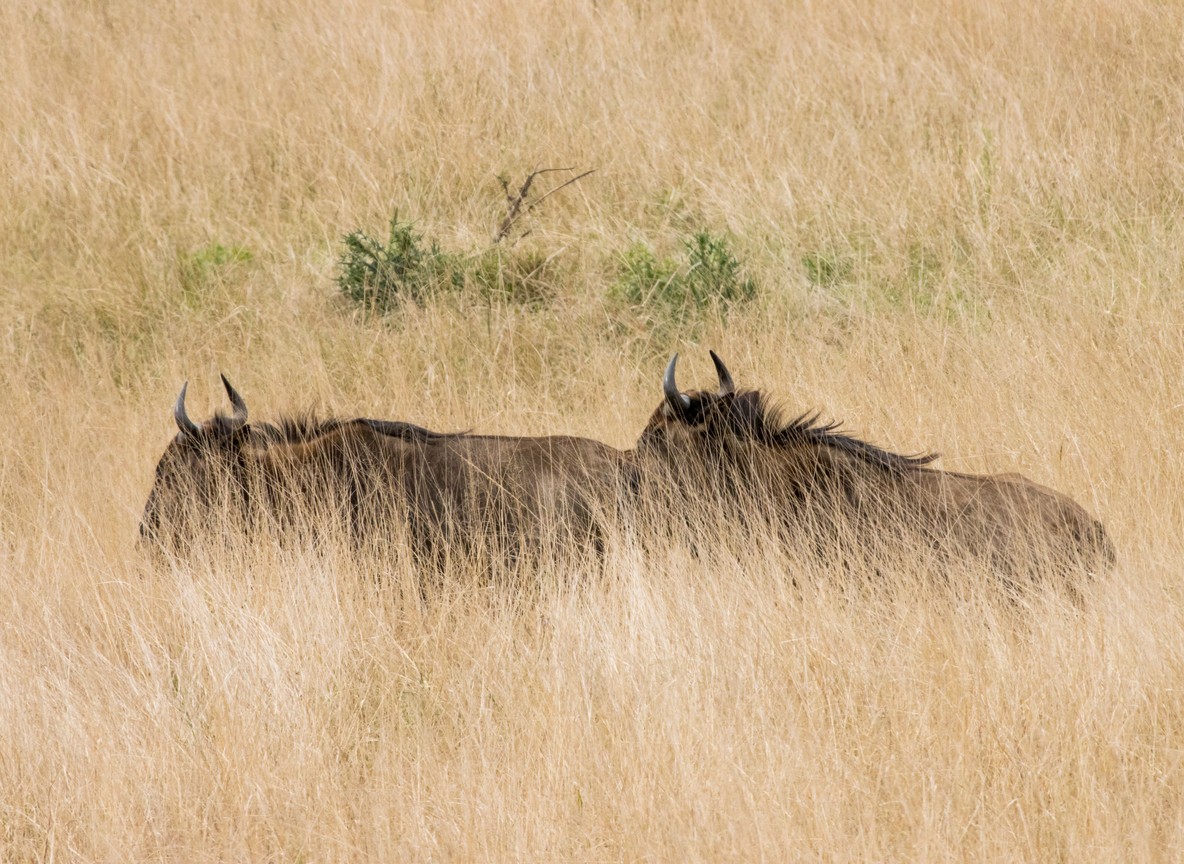
The dry season, from late June through October, keeps ground firmer and reduces the tall-grass cover that limits sightlines during the March to May rains. Guests visiting for the wildebeest migration season often add a walking safari as a slower counterpoint to the vehicle-heavy river-crossing chase further north.
Explorer Notes
Ask Naboisho Camp to confirm walking safaris are included before booking, since some Mara conservancy camps treat them as a paid add-on rather than a standard activity. Naboisho Camp typically bundles at least one guided walk into a multi-night stay.
Bring binoculars even on foot. Guides frequently spot distant game from a raised termite mound or ridge line and use the pause to point it out before moving closer on foot or radioing the vehicle to reposition.
Pack a light long-sleeve layer regardless of season. Early morning temperatures in the conservancy often sit near 12-15°C before sunrise warms the grassland, and thorn scrub brushes against exposed arms more than most first-time walkers expect.
Frequently Asked Questions
Is a Naboisho walking safari safe? Yes, when led by a trained guide and an armed Maasai warrior following standard conservancy protocols. Groups stay small, keep wide distance from dangerous game, and carry radio contact with a support vehicle at all times.
How far do you actually walk? Most Naboisho Camp walks cover 2 to 5 km over 1.5 to 3 hours. Longer 4-hour walks exist but are less common and usually arranged in advance.
Do I need to be very fit to join? No. The pace is slow and stops are frequent. The main physical factor is uneven ground rather than distance or speed.
Can children join a Naboisho walking safari? Most camps set a minimum age, commonly around 12 to 16 years, for safety reasons. Check directly with Naboisho Camp before booking if traveling with younger children.
Does the walking safari cost extra on top of the room rate? It varies by camp. Some bundle walking safaris into the standard activity schedule alongside game drives; others list it as an optional add-on. Confirm at the time of booking.
A short walk through Naboisho Conservancy shows a side of the Mara ecosystem most visitors never slow down enough to notice. If you want a stay built around both walking and vehicle-based game viewing, visit Touring Insights’ Tour Packages page to compare Naboisho Camp against other conservancy properties offering guided bush walks.
What to Read Next
- Curious about the camp itself? Read our Naboisho Camp review and conservancy guide.
- Weighing walking against a standard vehicle safari across Kenya? See our walking safari vs vehicle safari guide.
- Want the wider conservancy picture? Check our Naboisho Conservancy overview.
Further reading
More safari planning resources
- Kenya national parks map from SafariPure
- Nairobi to Maasai Mara route guide from Valley Safaris
- Is Kenya safe to visit? on Touring Insights
- Masai Mara destination guide on FindMySafari
Related guides: Wilderness Mara’s New Photo Studio: A Mara Triangle First for Camera-Toting Guests.